Boaz’s Righteous Conduct Toward Ruth: A Model of Integrity in a Vulnerable Situation
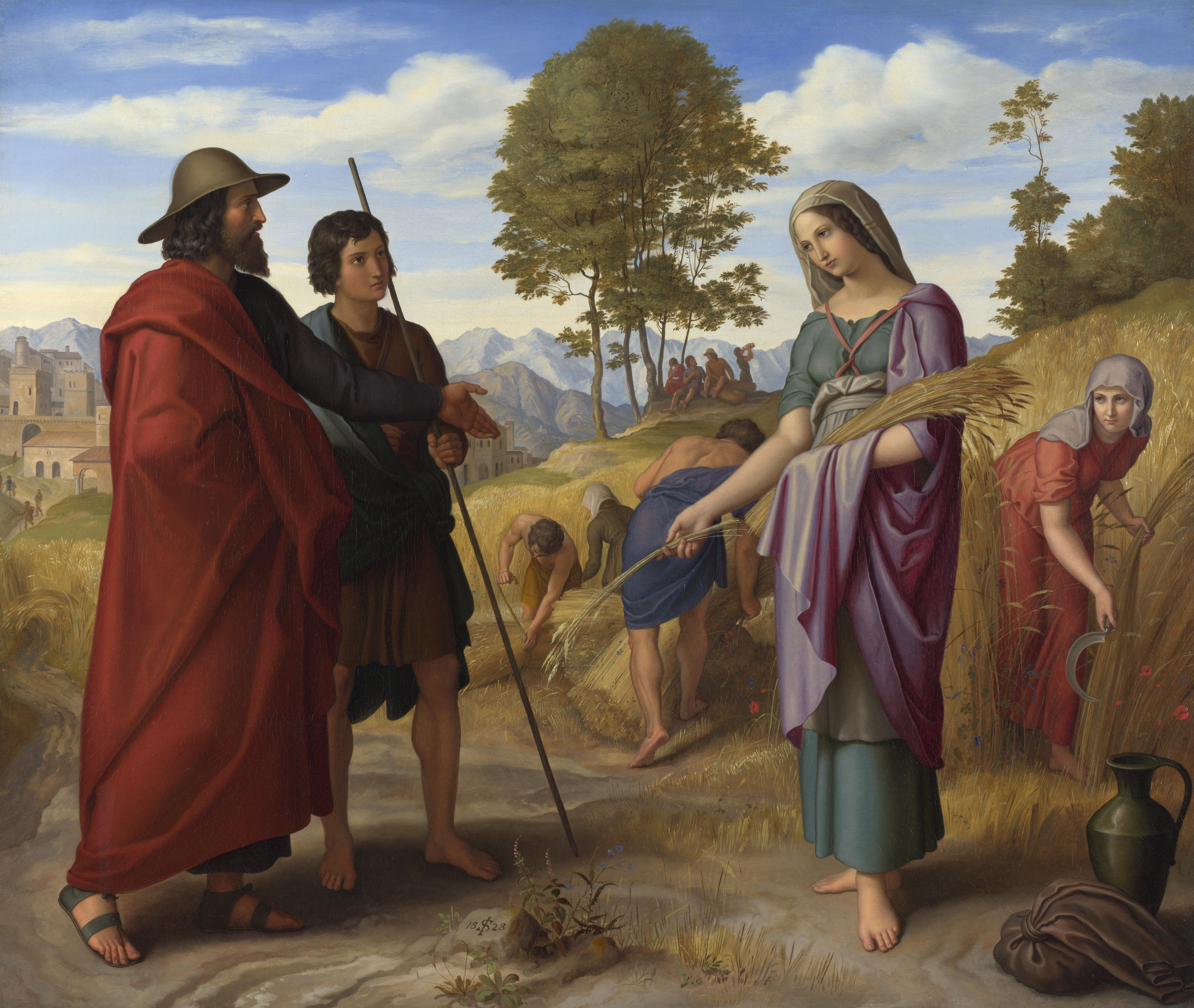

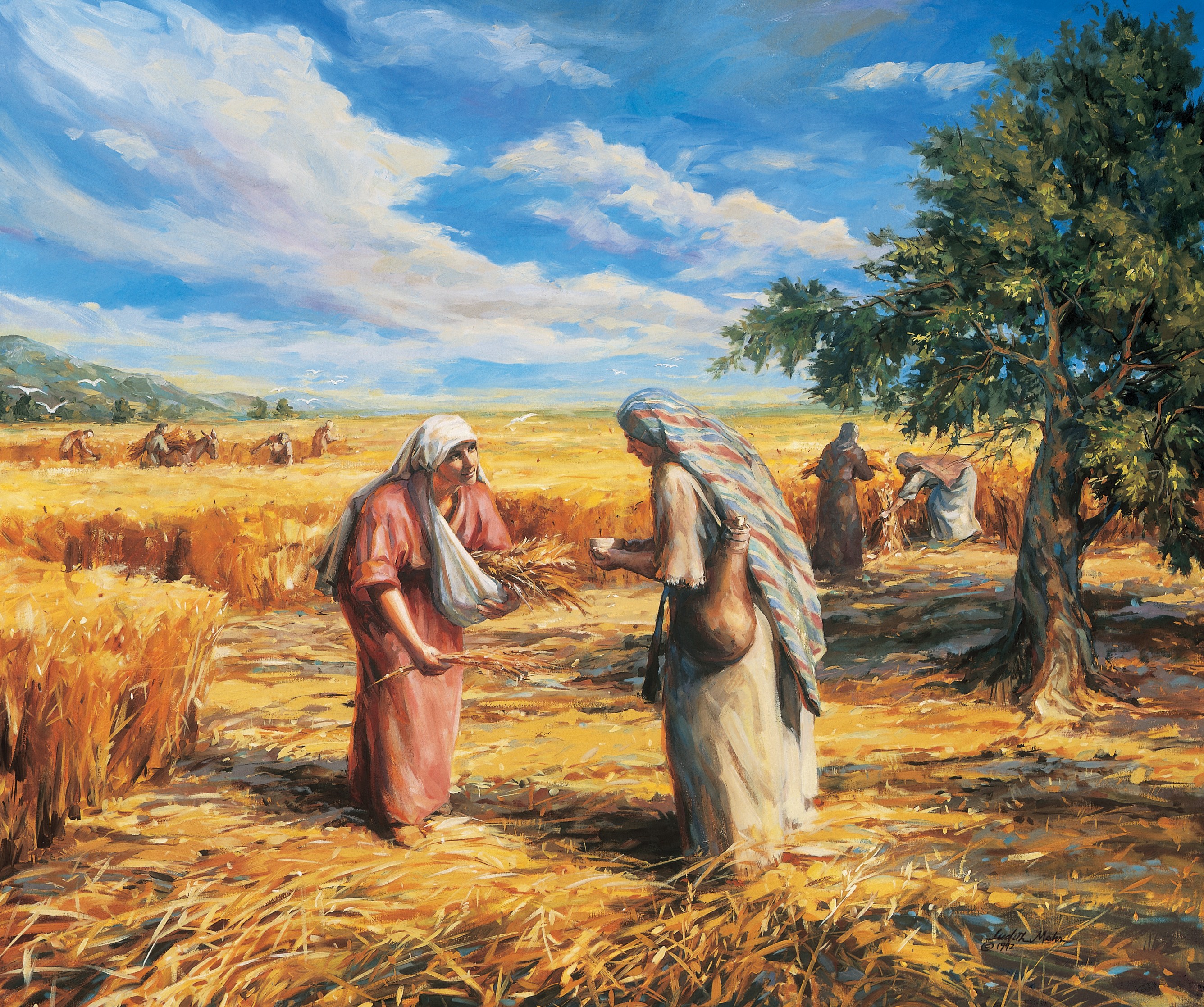
The encounter between Boaz and Ruth in the fields of Bethlehem, recorded in the Book of Ruth, presents one of the most compelling examples of righteousness, compassion, and moral leadership in the Bible. Set during the chaotic era described in the Book of Judges, the story unfolds in a context where social instability and moral decline were common. In such a setting, Ruth—a widowed foreign woman from Moab—was extremely vulnerable.
Gleaning in a landowner’s field placed Ruth in a potentially exploitative situation, as poor women often faced harassment or abuse. Yet Boaz’s response to Ruth stands out as a model of ethical conduct, justice, and godly character. His actions demonstrate how power and privilege should be used to protect and uplift the vulnerable rather than exploit them.
The Social Context: Vulnerability in the Gleaning System
In ancient Israel, the Mosaic law allowed the poor to gather leftover grain during harvest. This practice, called gleaning, was designed to provide for widows, foreigners, and the impoverished.
However, despite the law’s intention, the fields could still be dangerous places for vulnerable people like Ruth.
Reasons Ruth’s situation was risky
-
She was a widow with no male protector.
-
She was a foreigner from Moab, a nation often viewed with suspicion by Israelites.
-
She worked among male harvesters, which could expose her to harassment.
-
She depended on the goodwill of landowners for survival.
In this context, Ruth’s choice to glean required courage, and Boaz’s response revealed the depth of his righteousness.
Boaz Recognizes Ruth’s Dignity
The first sign of Boaz’s character is the respectful way he acknowledges Ruth. Instead of ignoring her or treating her as a burden, he asks about her identity and learns about her loyalty to Naomi.
When Boaz speaks to Ruth, he addresses her kindly and respectfully.
Evidence of respect
-
He calls her “my daughter,” expressing care rather than authority.
-
He listens to her story before judging her.
-
He acknowledges her faithfulness to Naomi.
This respectful recognition restores dignity to someone who could easily have been marginalized.
Boaz Provides Protection
One of Boaz’s most important actions is ensuring Ruth’s safety. The harvest fields could be places where vulnerable workers faced harassment.
Boaz directly addresses this risk.
Protective measures he provides
-
He instructs Ruth to remain in his fields rather than go elsewhere.
-
He tells the young men not to touch or harass her.
-
He allows her to work alongside his female servants.
This protective leadership demonstrates moral responsibility. Instead of ignoring the dangers Ruth faced, Boaz actively works to eliminate them.
Boaz Demonstrates Generosity Beyond Obligation
Boaz goes far beyond what the law required. While the law allowed Ruth to collect leftover grain, Boaz deliberately increases her opportunity to gather food.
Acts of generosity
-
He invites Ruth to drink water provided for his workers.
-
He includes her in the harvest meal, a privilege rarely extended to outsiders.
-
He instructs his workers to leave extra grain intentionally for her to collect.
These actions show that righteousness is not merely about obeying minimum legal requirements—it involves compassion and generosity.
Boaz Honors Ruth’s Character
Another remarkable aspect of the story is that Boaz recognizes Ruth’s integrity. Rather than focusing on her status as a foreigner, he praises her loyalty and sacrifice.
Qualities Boaz acknowledges
-
Her devotion to Naomi.
-
Her courage in leaving her homeland.
-
Her hard work and humility.
By honoring Ruth’s character, Boaz challenges social prejudice and affirms the value of a righteous life regardless of nationality or background.
Righteous Power: Using Authority for Good
Boaz’s position as a wealthy landowner gave him authority over many workers. In ancient societies, such authority could easily be abused.
Instead, Boaz uses his power responsibly.
Key principles shown in his leadership
-
Justice: protecting vulnerable workers.
-
Compassion: showing generosity beyond obligation.
-
Respect: recognizing Ruth’s dignity and worth.
-
Integrity: acting consistently with God’s law.
His conduct shows that righteousness is demonstrated most clearly when those in power choose to protect the weak.
A Reflection of God’s Character
Boaz also frames his kindness as an expression of divine blessing. He tells Ruth that she has come to seek refuge under the wings of the Lord.
This theological perspective reveals an important principle: righteous actions reflect God’s character.
Spiritual themes in the narrative
-
God cares for foreigners and widows.
-
Faithfulness is rewarded through unexpected provision.
-
Human kindness can become an instrument of divine care.
Through Boaz, God’s compassion becomes visible in everyday life.
The Long-Term Impact of Boaz’s Righteousness
The story of Boaz and Ruth ultimately leads to one of the most important genealogies in the Bible. Their marriage produces Obed, the grandfather of King David.
This lineage later becomes part of the genealogy of Jesus Christ in the New Testament.
This outcome highlights an important biblical principle: acts of righteousness can have far-reaching consequences beyond what individuals initially see.
Lessons for Ethical Leadership Today
Boaz’s conduct provides timeless guidance for modern readers, particularly regarding leadership, justice, and compassion.
Practical lessons from Boaz’s example
-
Protect those who are vulnerable or marginalized.
-
Use power and privilege responsibly.
-
Treat every person with dignity and respect.
-
Go beyond minimum obligations to show generosity.
-
Recognize and honor character over social status.
These principles demonstrate that righteousness is not simply personal morality—it is expressed through how individuals treat others, especially those with less power.
Conclusion
Boaz’s approach to Ruth in the fields stands as a powerful model of righteousness within a potentially exploitative environment. In a time when social systems could easily be abused, Boaz chose compassion, justice, and integrity. He protected Ruth, honored her dignity, and extended generosity beyond what the law required.
His actions reveal that true righteousness is demonstrated through responsible leadership and care for the vulnerable. The story of Boaz and Ruth ultimately reminds readers that ethical conduct in everyday situations can shape history in ways far greater than one might imagine.
Comments are closed.