Boaz Demonstrates Kindness and Integrity When He Meets Ruth in the Fields
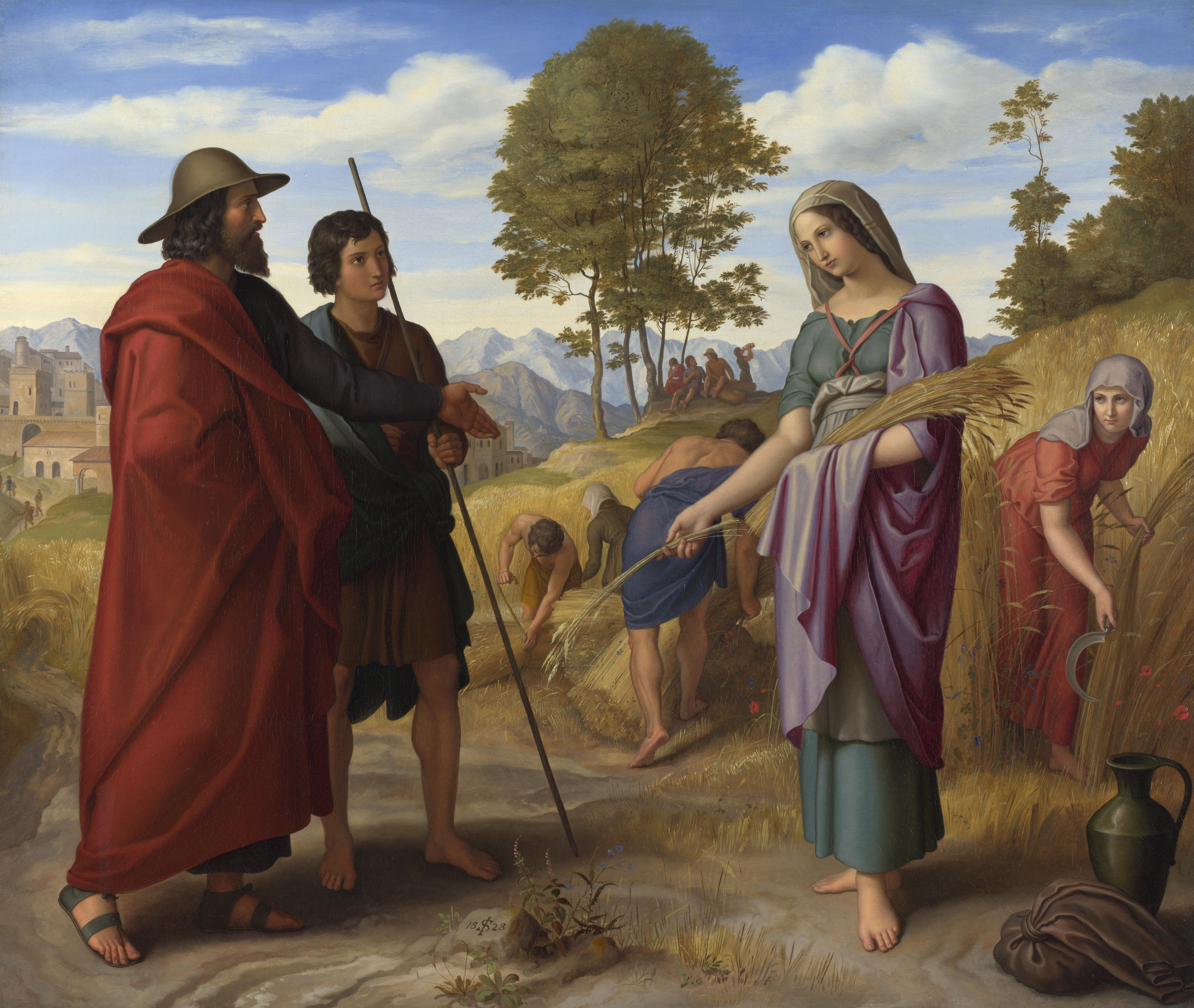


The meeting between Boaz and Ruth in the fields is one of the most powerful moments in the Book of Ruth. This encounter takes place during the barley harvest near Bethlehem and reveals themes of compassion, integrity, generosity, and faithfulness.
Boaz’s treatment of Ruth is remarkable because she was a poor widow and a foreigner from Moab. In a society where outsiders were often marginalized, Boaz showed extraordinary kindness and moral integrity. His actions demonstrate how godly leadership combines generosity with justice and respect.
This story illustrates the biblical value of caring for the vulnerable and shows how personal integrity can transform ordinary encounters into moments of grace.
The Context of Ruth Gleaning in the Field
Before meeting Boaz, Ruth had traveled with her mother-in-law Naomi back to Bethlehem after the death of their husbands. As widows without financial support, they were extremely vulnerable.
To survive, Ruth went to the fields to glean leftover grain behind the harvesters. According to Israelite law, landowners were instructed to allow the poor and foreigners to gather what remained after harvesting.
Important background elements include:
-
Ruth was a Moabite foreigner, which made her socially vulnerable.
-
She worked hard gathering leftover grain to support Naomi.
-
She entered the field belonging to Boaz without knowing who he was.
When Boaz arrived and noticed Ruth, his response revealed both kindness and moral integrity.
Boaz’s Kindness Toward Ruth
Boaz immediately demonstrated compassion when he learned about Ruth and her dedication to Naomi.
1. Welcoming Ruth With Respect
Instead of ignoring her as a poor laborer, Boaz spoke kindly and respectfully to Ruth.
He addressed her warmly and treated her with dignity. This respectful attitude showed that he valued her as a person rather than viewing her simply as a foreign worker.
His welcoming words helped remove the fear or embarrassment Ruth might have felt while gleaning.
Key elements of his respectful behavior:
-
He personally approached Ruth.
-
He addressed her with kindness.
-
He acknowledged her effort and presence.
This respectful introduction set the tone for everything that followed.
2. Protecting Ruth’s Safety
Boaz also showed kindness by ensuring Ruth’s safety while she worked in the fields.
Fields during harvest were crowded with workers, and vulnerable women could easily face harassment or mistreatment. Boaz took proactive steps to protect Ruth.
He instructed his male workers not to harm or disturb her.
His protective actions included:
-
Ordering workers not to touch or harass her.
-
Allowing her to work freely in his field.
-
Creating a safe environment for her.
This demonstrates that kindness is not only about words but also about taking responsibility for others’ well-being.
3. Providing Extra Food and Water
Boaz went beyond simply allowing Ruth to glean. He made sure she had enough food and water during the long harvest day.
He invited her to drink water that had been drawn for the workers and later offered her roasted grain during the meal.
These gestures show generosity and hospitality.
His generosity included:
-
Allowing Ruth to drink from the workers’ water supply.
-
Inviting her to eat with the harvesters.
-
Personally offering her roasted grain.
Such acts of kindness elevated Ruth from a poor gleaner to an honored guest.
Boaz’s Integrity as a Landowner
While Boaz showed compassion, he also demonstrated strong integrity and moral character.
His actions were not random generosity—they reflected deep commitment to justice and righteousness.
1. Honoring the Law of Gleaning
The Mosaic law required landowners to leave leftover crops for the poor. Boaz not only followed this law but exceeded it.
He instructed his workers to intentionally leave extra grain for Ruth to gather.
This shows that he:
-
Respected God’s law.
-
Actively supported the poor.
-
Practiced generosity beyond minimum requirements.
Boaz’s integrity is seen in how he used his position of power to uplift others.
2. Recognizing Ruth’s Loyalty
Boaz had heard about Ruth’s faithfulness to Naomi.
Instead of focusing on her foreign background, he admired her loyalty and sacrifice.
He praised Ruth for:
-
Leaving her homeland.
-
Caring for Naomi despite hardship.
-
Trusting in the God of Israel.
This recognition shows that Boaz valued character over nationality or status.
3. Blessing Ruth Spiritually
Another powerful demonstration of Boaz’s integrity was his blessing for Ruth.
He prayed that the God of Israel would reward her for seeking refuge under His protection.
This statement reveals Boaz’s deep faith and spiritual leadership.
His blessing expressed:
-
Faith in God’s justice.
-
Encouragement for Ruth’s devotion.
-
Recognition of God’s role in her journey.
Boaz saw Ruth not merely as a worker but as someone under God’s care.
Ruth’s Humble Response
Ruth responded to Boaz’s kindness with humility and gratitude.
She was surprised by his generosity and asked why he would show favor to a foreigner like her.
Her reaction shows:
-
Deep humility.
-
Gratitude for unexpected kindness.
-
Respect for Boaz’s authority.
This respectful interaction strengthened the bond of trust between them.
The Broader Meaning of the Encounter
The meeting between Boaz and Ruth represents more than a simple act of charity. It reveals powerful biblical themes.
Important lessons from this moment include:
Compassion for the Vulnerable
Boaz demonstrates how people with resources should care for the poor, widows, and foreigners.
Integrity in Leadership
He models ethical leadership by protecting workers and honoring God’s laws.
Faithfulness and Reward
Ruth’s loyalty and faith ultimately lead to blessing and restoration.
God’s Hidden Guidance
What seemed like a chance encounter eventually led to marriage between Boaz and Ruth and became part of the lineage of King David.
Why Boaz’s Actions Matter
Boaz stands out as a model of righteous character in the Bible.
His actions combine:
-
Compassion
-
Responsibility
-
Faith
-
Integrity
By protecting Ruth, honoring the law, and treating her with dignity, Boaz demonstrates how kindness and integrity should work together.
This encounter shows that even ordinary moments—like meeting someone in a field—can reveal profound moral character and change the course of history.
Conclusion
When Boaz met Ruth in the fields, he displayed extraordinary kindness and integrity. He welcomed her respectfully, protected her safety, provided food and water, and ensured she could gather grain generously.
At the same time, he honored God’s law, praised Ruth’s loyalty, and offered spiritual encouragement. His actions transformed a simple meeting into a powerful example of compassion and righteous leadership.
Through this encounter, the story of Ruth reminds readers that kindness rooted in integrity can bring hope, restore dignity, and shape the future in unexpected ways.