How the Spirit of the Lord Departing from Saul Marks a Turning Point in the Narrative


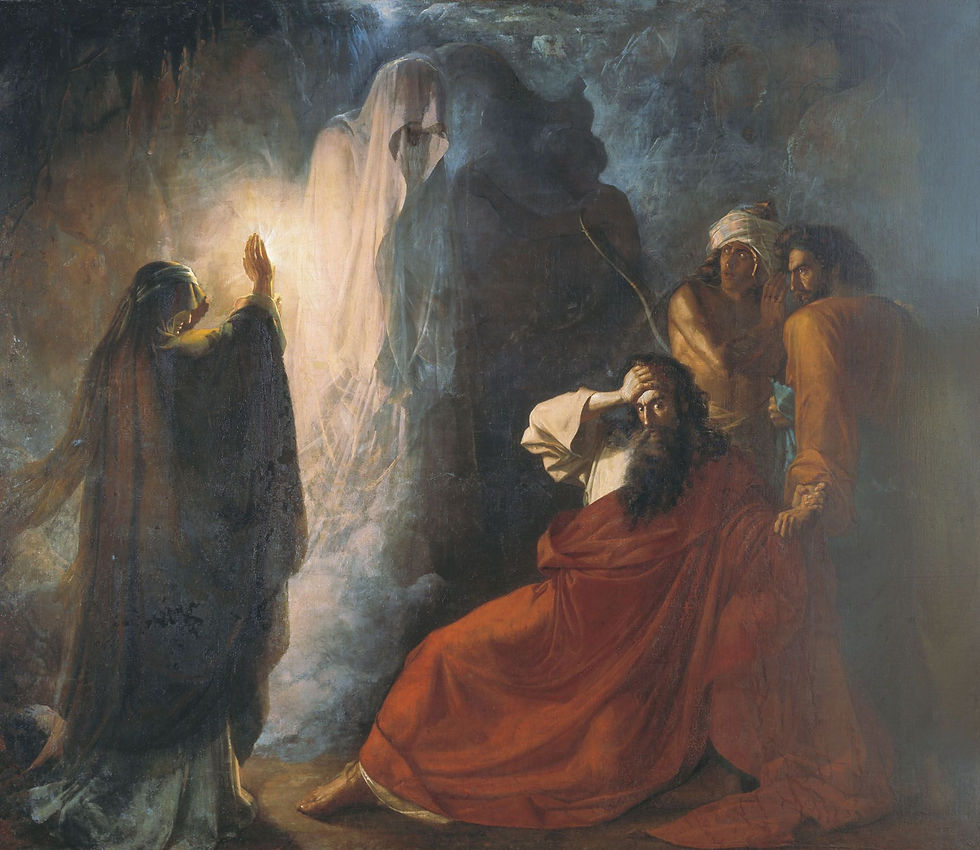
The moment when the Spirit of the Lord departed from Saul in 1 Samuel 16:14 represents one of the most dramatic turning points in the biblical narrative. This event signals a profound shift in leadership, divine favor, and the unfolding story of Israel.
Previously, Saul had been chosen and empowered by God through the prophet Samuel. However, because of Saul’s repeated disobedience, God withdrew His empowering presence and began raising up a new leader—David.
This moment marks the transition from Saul’s declining rule to David’s rise, revealing deep spiritual and leadership lessons about obedience, authority, and God’s sovereignty.
1. The Spirit’s Departure Symbolizes the Loss of Divine Favor
When Saul was first chosen as king, the Spirit of the Lord empowered him to lead Israel effectively. Earlier in the narrative, God’s Spirit came upon Saul, enabling him to:
-
Lead Israel in battle
-
Unite the tribes
-
Govern the nation with authority
-
Experience prophetic inspiration
However, Saul gradually turned away from God’s commands. His disobedience reached a critical point when he ignored God’s instructions regarding the Amalekites (1 Samuel 15).
Because of this rebellion, God rejected Saul as king.
The departure of the Spirit therefore symbolizes:
-
Loss of divine empowerment
-
Withdrawal of God’s favor
-
The beginning of Saul’s downfall
This moment demonstrates that Israel’s king ruled not merely by political authority but by God’s spiritual approval.
2. A Contrast Between Saul’s Decline and David’s Rise
Immediately before describing the Spirit leaving Saul, the narrative records a significant event: Samuel secretly anoints David as the future king.
This creates a powerful literary contrast:
| Saul | David |
|---|---|
| Spirit departs | Spirit comes powerfully |
| Rejected by God | Chosen by God |
| Declining leadership | Rising leadership |
| Fear and instability | Faith and humility |
While Saul remains on the throne physically, the true transfer of divine authority has already begun.
The narrative is intentionally structured to show that God’s plan for Israel is moving forward through David, even while Saul still reigns.
3. Saul’s Inner Turmoil Reflects Spiritual Separation
After the Spirit departs, the text says an evil spirit troubled Saul. This does not necessarily mean that God created evil, but that Saul was now vulnerable to distress and spiritual torment.
This turmoil manifested in several ways:
-
Emotional instability
-
Paranoia and jealousy
-
Violent mood swings
-
Increasing fear of David
These symptoms illustrate the deeper spiritual reality: a leader disconnected from God becomes unstable and destructive.
Saul’s condition also highlights the importance of God’s presence in leadership. Without divine guidance, power becomes dangerous and chaotic.
4. The Introduction of David Into Saul’s Court
Interestingly, Saul’s suffering indirectly brings David into the royal court. Saul’s servants recommend finding someone who can play music to soothe the king, and David—known for his skill with the harp—is chosen.
This development is significant for several reasons:
-
David gains access to the royal palace
-
Saul unknowingly welcomes his successor
-
David begins learning leadership from inside the kingdom
Thus, even in Saul’s decline, God is orchestrating events to prepare David for future kingship.
The narrative shows that God’s purposes continue unfolding even through human weakness and failure.
5. The Turning Point in Israel’s Leadership Story
The departure of the Spirit marks a broader turning point in the book of 1 Samuel. The story shifts from Saul’s early promise to David’s emerging destiny.
Several narrative changes occur after this moment:
1. Saul’s Character Begins to Deteriorate
His jealousy toward David grows rapidly, leading to multiple attempts to kill him.
2. David Becomes the Central Figure
From this point onward, David dominates the narrative.
3. Saul’s Authority Weakens
Although he remains king, Saul increasingly loses control of events.
4. God’s Covenant Plan Moves Forward
David will eventually establish a dynasty that plays a central role in biblical history.
This turning point therefore affects not only Saul’s life but the entire future of Israel.
6. Spiritual Lessons From Saul’s Downfall
The story of Saul carries powerful spiritual lessons for readers.
Obedience Matters More Than Position
Saul had the highest position in Israel, yet his disobedience cost him God’s favor.
God Looks at the Heart
While Saul focused on appearances and public approval, David sought to honor God.
Leadership Requires Dependence on God
Without God’s Spirit, Saul’s leadership collapsed.
Pride Leads to Downfall
Saul’s insecurity and pride eventually destroyed his reign.
These lessons emphasize that spiritual integrity is more important than power or status.
7. Theological Significance of This Turning Point
This moment also has deeper theological meaning in the biblical storyline.
It demonstrates:
-
God’s sovereignty over kings and nations
-
The importance of covenant faithfulness
-
The contrast between human failure and divine purpose
The shift from Saul to David ultimately prepares the way for the Davidic line, from which Christians believe the Messiah would come.
Thus, the Spirit departing from Saul is not simply a personal tragedy—it is part of God’s larger redemptive plan.
Conclusion
The departure of the Spirit of the Lord from Saul represents a decisive turning point in the narrative of 1 Samuel. It signals the loss of Saul’s divine authority, the beginning of his tragic decline, and the quiet rise of David as God’s chosen leader.
Through this event, the Bible highlights the consequences of disobedience and the importance of spiritual faithfulness. Saul’s story reminds readers that leadership without God’s presence leads to instability, while those who seek God—like David—are prepared for greater purposes.
Ultimately, this moment marks the transition from a failing king to a future king whose legacy will shape the history of Israel and the broader biblical story.
One Comment
Comments are closed.