How Saul’s Victory Over the Ammonites Established His Legitimacy as King


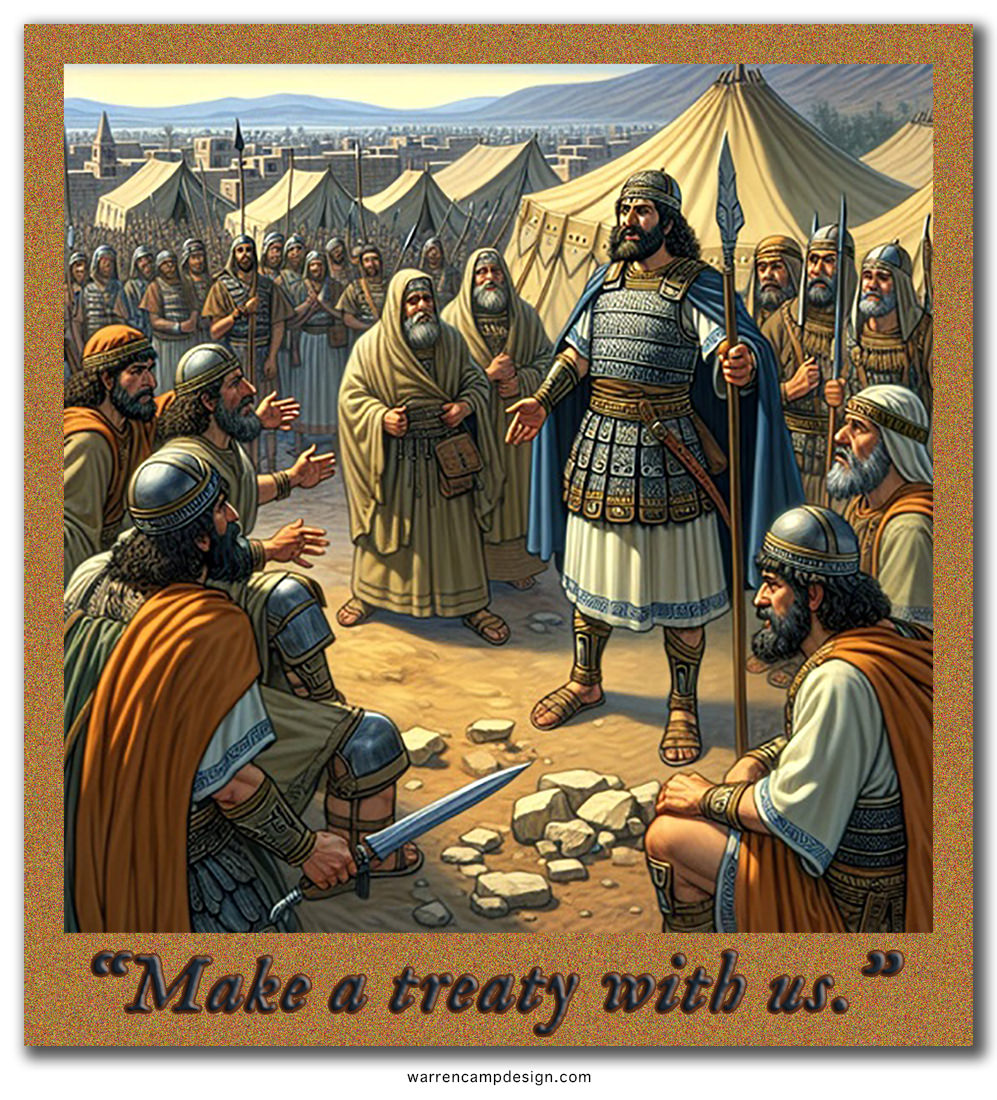
The victory of Saul over the Ammonites in First Book of Samuel chapter 11 represents one of the most decisive moments in early Israelite history. Before this battle, Saul had been anointed by Samuel and publicly chosen as king, but many people still questioned his leadership. His military triumph against the forces of Nahash the Ammonite transformed public perception and firmly established his legitimacy as the ruler of Israel.
This event illustrates how leadership, divine empowerment, and national unity combined to confirm Saul’s kingship.
The Crisis at Jabesh-Gilead
The story begins when Nahash the Ammonite attacked the Israelite city of Jabesh-Gilead. The Ammonite king threatened to humiliate the inhabitants by gouging out the right eye of every man, a brutal act meant to disgrace Israel and weaken its military capability.
The terrified citizens requested seven days to seek help from other Israelite tribes. When messengers brought the news to Saul’s hometown, the people were overwhelmed with fear and despair.
This moment created a national crisis that required decisive leadership—something Israel had struggled to achieve during the chaotic period of the judges.
The Spirit of God Empowers Saul
According to the biblical narrative, when Saul heard about the suffering of Jabesh-Gilead, the Spirit of God came powerfully upon him. This divine empowerment was crucial because it demonstrated that Saul’s authority did not come merely from human selection but from God’s approval.
Saul’s reaction showed the qualities expected of a king:
-
Righteous anger at injustice
-
Compassion for fellow Israelites
-
Courage to confront an enemy threat
-
Decisive leadership
Instead of hesitating, Saul immediately began organizing a response to rescue the besieged city.
Saul Unites the Tribes of Israel
One of the most important achievements of this event was Saul’s ability to unite the tribes of Israel. At the time, Israel functioned more like a loose tribal confederation than a centralized kingdom.
To rally the nation, Saul performed a dramatic act. He cut a pair of oxen into pieces and sent the pieces throughout Israel with a warning that anyone who refused to join the army would suffer the same fate.
This powerful message produced immediate results:
-
Fear of the Lord fell upon the people.
-
The tribes gathered in large numbers.
-
Approximately 330,000 soldiers assembled for battle.
For the first time, Israel functioned as a unified military force under a single leader.
Saul’s Strategic Military Leadership
Saul did not simply rely on numbers; he also demonstrated strategic intelligence. He divided his army into three groups and launched a surprise attack on the Ammonites during the early morning watch.
This tactical maneuver had several advantages:
-
The enemy was caught unprepared and disorganized.
-
The surprise attack created panic among the Ammonite forces.
-
The Israelites were able to scatter the enemy completely.
By midday, the Ammonite army was thoroughly defeated, and the survivors were scattered so widely that no two of them remained together.
This victory displayed Saul’s competence as a military commander—an essential quality for a king in the ancient Near East.
Saul Demonstrates Humility and Mercy
After the victory, some Israelites wanted to punish those who had earlier doubted Saul’s leadership. They suggested executing the men who had questioned his kingship.
However, Saul refused.
He declared:
“No one shall be put to death today, for today the Lord has rescued Israel.”
This response revealed key traits of Saul’s leadership:
-
Humility in recognizing God’s role in the victory
-
Mercy toward former critics
-
A desire for national unity rather than revenge
Instead of dividing the nation, Saul chose reconciliation.
National Confirmation of Saul’s Kingship
Following the victory, Samuel gathered the people at Gilgal to renew the kingdom. There the Israelites publicly reaffirmed Saul as their king.
This moment was significant because:
-
Saul had now proven himself through action.
-
The people willingly recognized his leadership.
-
The kingdom was formally renewed before God.
The victory over the Ammonites therefore transformed Saul from a chosen king into a proven king.
Why This Victory Established Saul’s Legitimacy
Saul’s triumph provided several reasons for the people to accept him as their rightful ruler.
1. He Protected the Nation
A king’s primary responsibility was to defend his people. By rescuing Jabesh-Gilead, Saul fulfilled this role effectively.
2. He United the Tribes
Israel had long struggled with tribal division. Saul successfully brought the tribes together under one command.
3. He Demonstrated Military Ability
Ancient kings were expected to be warriors. Saul’s victory showed he could lead Israel in battle.
4. He Showed God’s Favor
The Spirit of God empowering Saul indicated divine approval of his leadership.
5. He Modeled Wise Leadership
His refusal to punish critics helped build unity and trust among the people.
Lessons from Saul’s Early Leadership
The story of Saul’s victory offers several important lessons about leadership and faith.
Key insights include:
-
Leadership requires decisive action during crises.
-
True authority is strengthened through service and protection of others.
-
Unity often emerges when people face a shared challenge.
-
Humility and mercy are essential qualities in effective leaders.
Although Saul’s later reign would face serious challenges, this moment represents the peak of his early leadership.
Conclusion
Saul’s victory over the Ammonites was more than a military success—it was the event that firmly established his legitimacy as king. By rescuing Jabesh-Gilead, uniting the tribes, demonstrating military skill, and showing humility after the battle, Saul proved he possessed the qualities necessary to lead Israel.
Through this victory, the people recognized that Saul was not merely a man chosen by a prophet but a leader capable of protecting and guiding the nation. The triumph therefore marked the true beginning of Israel’s monarchy and solidified Saul’s place as the first king of Israel.
What is the significance of Saul’s initial humility and reluctance to assume kingship?
One Comment
Comments are closed.