God’s Response to Israel’s Request for a King: Balancing Divine Sovereignty and Human Free Will

The story of Israel asking for a king is one of the most significant turning points in the Old Testament. Recorded in the book of First Book of Samuel, this moment reveals an important theological truth: God’s sovereignty operates alongside human free will.
When the people of Israel demanded a king like other nations, their request displeased the prophet Samuel. Yet God allowed it, demonstrating how divine authority can work through human choices—even flawed ones—to accomplish His greater purposes.
Understanding this event helps believers grasp how God governs history while still allowing people the freedom to make decisions.
The Historical Context of Israel’s Request
Before Israel had a king, the nation was led by judges and prophets whom God raised up during times of crisis. This system reflected God’s direct kingship over Israel.
During the leadership of Samuel, however, problems began to arise:
-
Samuel had grown old.
-
His sons, who served as judges, were corrupt.
-
Israel feared instability in leadership.
-
Surrounding nations were ruled by kings.
Because of these concerns, the elders of Israel approached Samuel with a request: “Give us a king to lead us.”
This request was not merely political—it revealed a deeper spiritual issue. God told Samuel that the people were not rejecting him but rejecting God as their king.
Divine Sovereignty: God Remains in Control
Even though Israel’s request was misguided, God’s sovereignty remained intact. Divine sovereignty refers to God’s ultimate authority and control over all events in history.
In this narrative, God demonstrates His sovereignty in several ways.
1. God Allowed the Request
God instructed Samuel to listen to the people and give them what they wanted. This shows that God sometimes permits human choices even when they are not ideal.
However, His permission does not mean loss of control. Instead, God works through human decisions to accomplish His larger plan.
2. God Warned the People
Before granting their request, God commanded Samuel to warn Israel about the consequences of having a king.
Samuel explained that a king would:
-
Take their sons for military service
-
Take their daughters for labor
-
Tax their crops and livestock
-
Claim servants and resources
These warnings demonstrated God’s justice and foresight. The people were informed about the costs of their decision.
3. God Chose the King
Although Israel demanded a king, God still chose who that king would be.
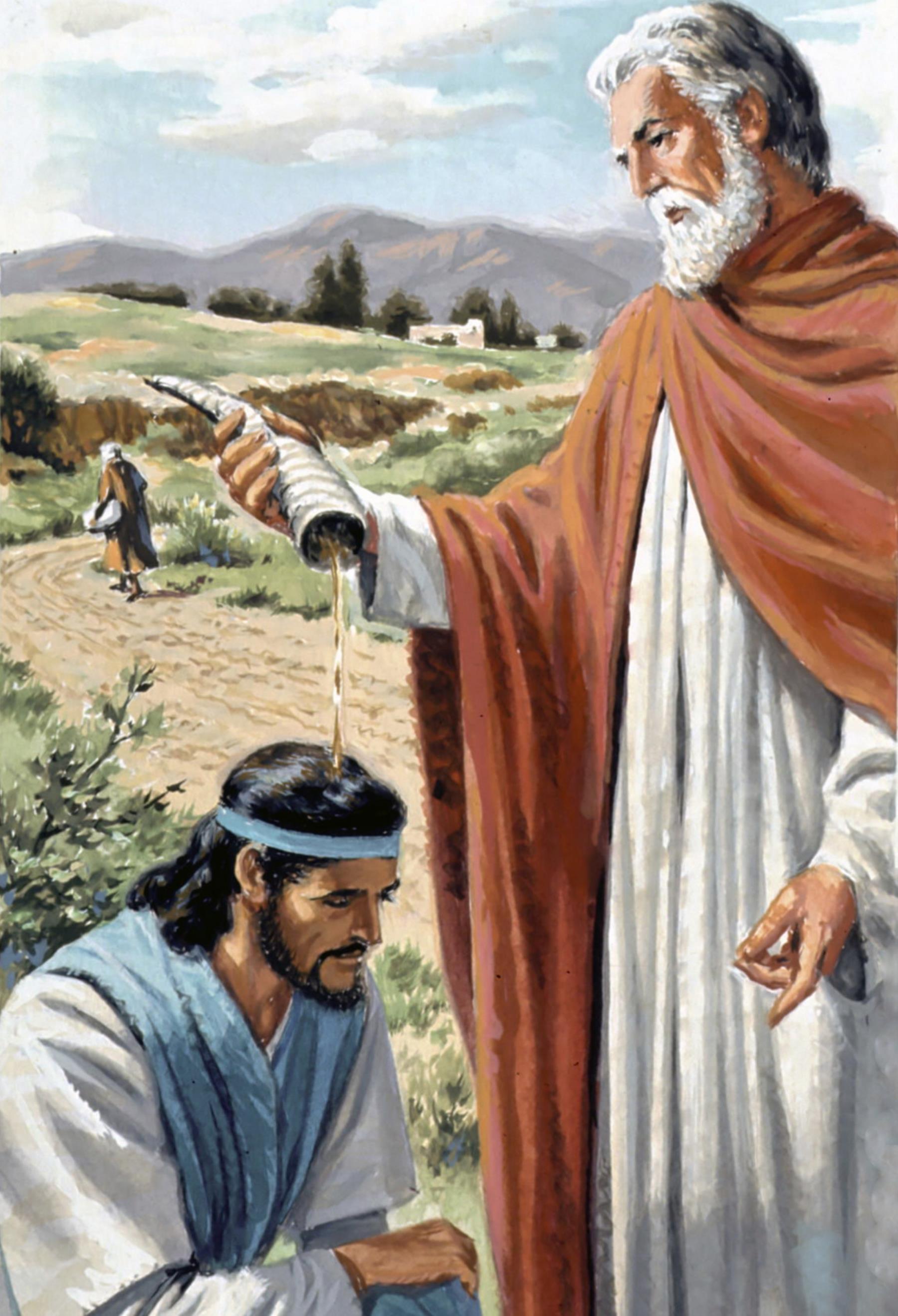
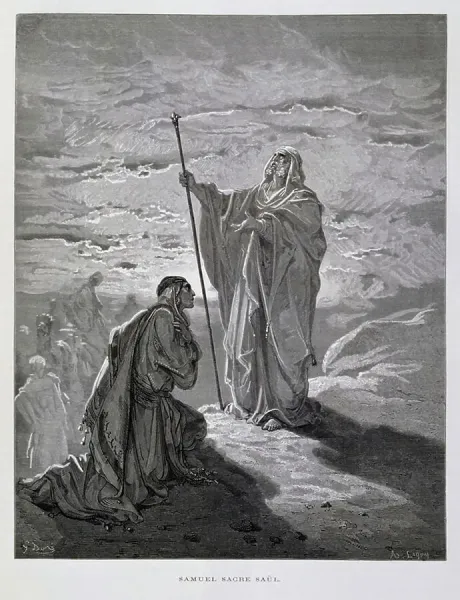
God selected Saul from the tribe of Benjamin and instructed Samuel to anoint him as Israel’s first king.
This moment shows that while the people initiated the request, God retained the authority to determine the outcome.
Human Free Will: Israel’s Choice and Responsibility
While God remained sovereign, Israel exercised genuine free will.
Human free will refers to the ability of individuals to make real choices and bear responsibility for them.
In this story, Israel clearly demonstrated their freedom in several ways.
1. The People Insisted on Their Demand
Despite Samuel’s warning, the Israelites refused to change their minds. They said:
“No! We want a king over us.”
Their determination shows that God allowed them to pursue their chosen path.
2. The Desire to Be Like Other Nations
Israel’s motivation revealed a shift in priorities. Instead of trusting God’s unique leadership, they wanted to imitate surrounding nations.
Their reasons included:
-
Desire for political security
-
Desire for military leadership
-
Cultural pressure to conform
This decision reflected a lack of faith in God’s direct rule.
3. Responsibility for the Consequences
Because the people freely chose this system, they also bore responsibility for its consequences.
Israel’s monarchy eventually produced both faithful and unfaithful kings, leading to periods of prosperity as well as national decline.
The Tension Between Sovereignty and Freedom
The narrative illustrates a profound biblical truth: God’s sovereignty and human free will operate together rather than canceling each other out.
Several principles emerge from this story.
God Uses Human Decisions
Even when people make imperfect choices, God can still accomplish His purposes.
For example:
-
Saul became Israel’s first king.
-
Later, God chose David, whose lineage would eventually lead to the Messiah.
Thus, God worked through Israel’s flawed request to advance His redemptive plan.
God Allows Consequences
God did not prevent Israel’s decision, but He allowed them to experience the outcomes of their choice.
This reflects a consistent biblical pattern:
-
God gives guidance.
-
Humans make choices.
-
Consequences follow.
God’s Plan Cannot Be Stopped
Even when human decisions appear to disrupt God’s intentions, His ultimate plan continues.
The monarchy that began with Saul eventually led to the Davidic line and, according to Christian belief, the coming of Jesus Christ.
Lessons for Believers Today
This story provides several important lessons about faith, leadership, and obedience.
1. Trust God’s Leadership
Israel’s request for a king reflected their struggle to trust God’s direct guidance. Believers today face similar temptations to rely on human systems instead of God.
2. Freedom Requires Responsibility
God grants people freedom, but that freedom carries responsibility. Decisions shape both personal lives and communities.
3. God’s Grace Works Through Imperfect Choices
Even when people make mistakes, God’s grace continues to work. He can transform flawed decisions into opportunities for redemption.
4. God’s Sovereignty Provides Hope
Because God remains sovereign, believers can trust that His purposes will ultimately prevail—even when circumstances seem uncertain.
Conclusion
God’s response to Israel’s request for a king reveals a powerful balance between divine sovereignty and human free will. Israel freely chose to seek a king, demonstrating their independence and responsibility. At the same time, God remained fully in control, guiding events and selecting the leader who would rule the nation.
Through figures like Samuel and Saul, the story shows that God works through human decisions to accomplish His greater purposes. Even imperfect choices cannot derail His plan.
Ultimately, this narrative reminds believers that while humans have the freedom to choose their paths, God’s sovereign authority continues to shape history and guide His people toward His ultimate purposes.
Why did the Israelites demand a king despite Samuel’s leadership?
One Comment
Comments are closed.