Women as Active Agents in God’s Plan: Lessons from Ruth and Naomi
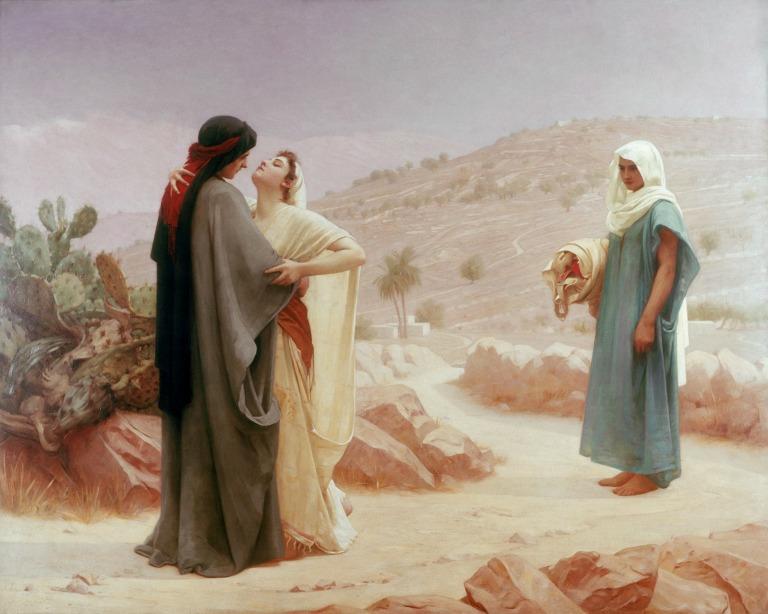
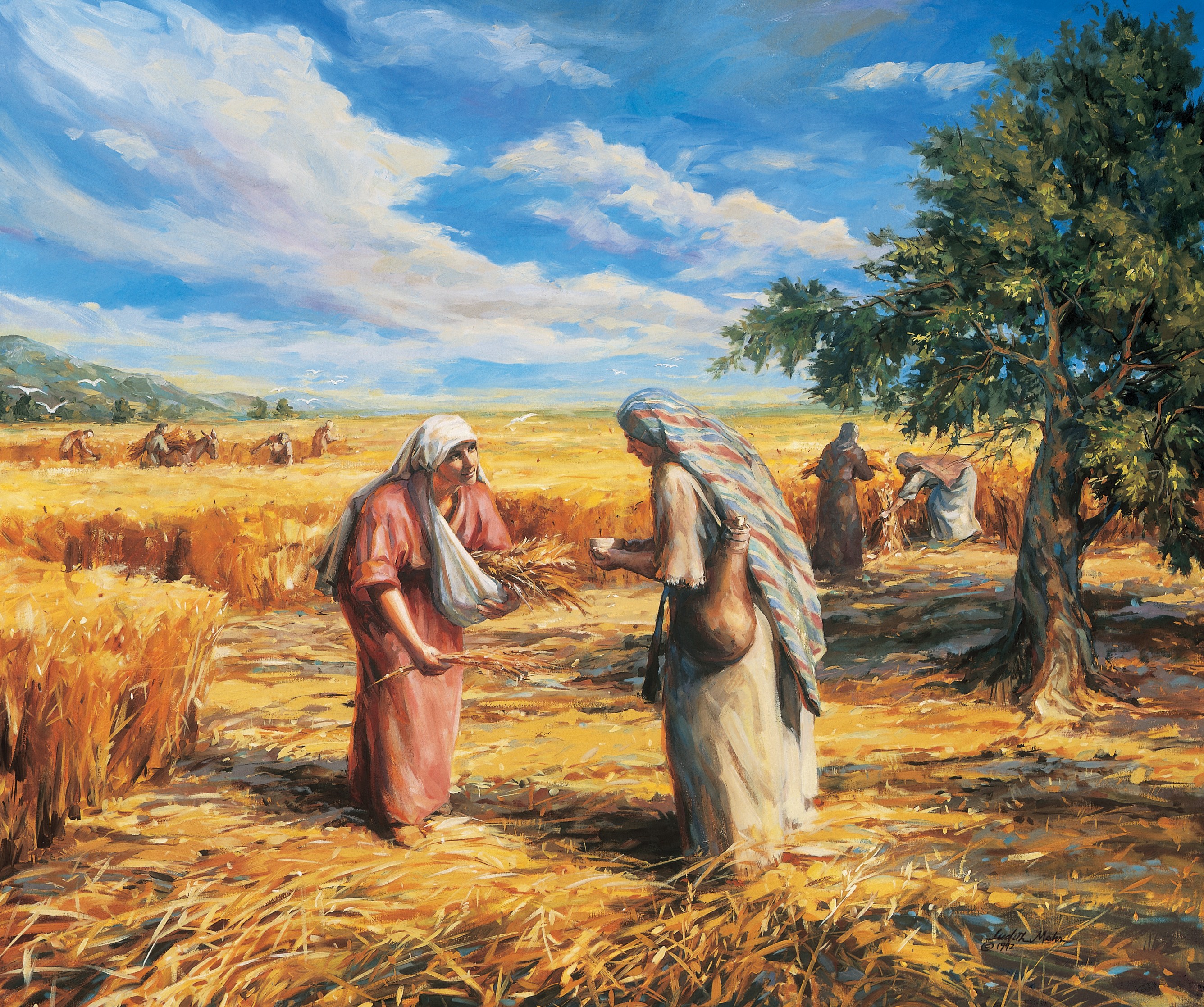

The story recorded in the Book of Ruth presents one of the most powerful examples in Scripture of how ordinary individuals—especially women—can actively participate in God’s redemptive plan. In a period described in the Book of Judges as chaotic and morally unstable, the lives of Ruth and Naomi demonstrate courage, faith, and intentional decision-making.
Rather than being passive recipients of blessing, these two women shape events through loyalty, strategic thinking, and perseverance. Their choices ultimately lead to the birth of Obed, grandfather of King David, placing them directly in the lineage that leads to the Messiah. Their story reveals that God often works through the faithful actions of individuals—regardless of gender or social status.
1. Naomi’s Decision to Return to Bethlehem
The story begins with tragedy. Naomi loses her husband and two sons while living in Moab. As a widow in the ancient world, she faced poverty, vulnerability, and uncertainty. Yet Naomi refuses to remain in despair.
Naomi’s Active Choice
Instead of surrendering to her circumstances, Naomi makes a decisive move:
-
She chooses to return to her homeland, Bethlehem.
-
She recognizes that God is providing food again in Judah.
-
She begins the journey even though she has no guarantee of security.
This decision sets the entire narrative in motion. Naomi becomes a catalyst for redemption because her choice leads Ruth into Israel and ultimately into God’s covenant community.
Leadership in Hardship
Naomi’s leadership appears in several ways:
-
She guides her daughters-in-law with wisdom.
-
She releases them from obligation so they can rebuild their lives.
-
She later develops a plan for Ruth’s future marriage.
Her actions show that faith involves deliberate choices, even when circumstances seem hopeless.
2. Ruth’s Radical Commitment and Faith
One of the most famous declarations in the Bible comes from Ruth’s response to Naomi. Instead of returning to her family in Moab, Ruth makes a life-changing decision.
Ruth’s Declaration of Loyalty
Ruth tells Naomi:
“Where you go I will go, and where you stay I will stay. Your people will be my people and your God my God.”
This statement reveals several important commitments:
-
Relational loyalty – devotion to Naomi
-
Cultural transformation – leaving her homeland
-
Spiritual conversion – choosing Israel’s God
Ruth’s decision is voluntary and courageous. As a foreign widow, she had no social protection in Israel, yet she steps forward in faith.
Active Faith in Daily Life
After arriving in Bethlehem, Ruth does not wait passively for help.
She takes initiative by:
-
Seeking permission to glean in fields
-
Working long hours to provide food
-
Caring for Naomi through her labor
This willingness to work reflects both humility and determination. Through ordinary actions, Ruth becomes an instrument of God’s provision.
3. Strategic Wisdom: Naomi’s Plan
Later in the narrative, Naomi again demonstrates intentional leadership. When she realizes that the landowner Boaz may serve as a family redeemer, she devises a careful plan.
Naomi’s Guidance
Naomi instructs Ruth to approach Boaz at the threshing floor in a culturally appropriate way. Her plan involves:
-
Recognizing Boaz as a potential kinsman-redeemer
-
Advising Ruth on respectful behavior
-
Encouraging Ruth to request protection and marriage
This is not manipulation but wisdom. Naomi understands Israelite law and uses it to secure a future for Ruth and their family line.
4. Ruth’s Courageous Action
While Naomi provides the strategy, Ruth must carry out the plan herself. This moment requires tremendous courage.
Ruth’s Initiative
Ruth:
-
Approaches Boaz at night
-
Humbly asks him to “spread his garment” over her
-
Appeals to his responsibility as redeemer
This act demonstrates bold faith. Ruth is not merely waiting for rescue; she actively participates in bringing about redemption.
Her request sets the stage for Boaz’s response and the restoration of Naomi’s family line.
5. Redemption and the Line of David
The story concludes with Boaz redeeming the family inheritance and marrying Ruth. Their son, Obed, becomes part of a lineage that leads to Israel’s greatest king.
The Redemptive Outcome
Through the decisions of Naomi and Ruth:
-
Naomi’s family line is restored.
-
Ruth is welcomed fully into Israel.
-
The lineage of King David is established.
This outcome reveals a profound truth: God’s redemption often unfolds through the faithful choices of individuals who trust Him.
6. Theological Significance: Women in God’s Redemptive Work
The story of Ruth and Naomi challenges assumptions about gender roles in biblical history.
Women as Active Participants
Their actions demonstrate that women:
-
Exercise moral courage
-
Make strategic decisions
-
Influence the direction of salvation history
Rather than passive characters, Ruth and Naomi are central agents in God’s purposes.
God Works Through Everyday Faithfulness
Another key lesson is that divine redemption often occurs through ordinary actions:
-
Traveling to a new place
-
Working in fields
-
Offering wise counsel
-
Showing loyalty to family
These everyday decisions become part of a larger divine plan.
7. Lessons for Modern Readers
The story continues to inspire readers today because it shows how faithfulness in small choices can shape history.
Key Lessons
-
Loyalty matters: Ruth’s commitment transforms both lives.
-
Wisdom matters: Naomi’s guidance leads to restoration.
-
Initiative matters: Both women act rather than wait.
-
Faith matters: Trust in God leads to unexpected blessings.
Their story reminds believers that God values courage, loyalty, and wisdom—qualities that anyone can demonstrate.
Conclusion
The narrative of Ruth and Naomi reveals that God’s redemptive work often unfolds through the faithful decisions of ordinary people. Naomi’s leadership and Ruth’s courageous loyalty show that women are not merely passive recipients of blessing but active participants in God’s plan.
By choosing faith over fear, work over passivity, and loyalty over self-interest, these women helped shape the lineage that would eventually lead to King David and ultimately the Messiah. Their story powerfully illustrates that God’s purposes advance through the faithful actions of those willing to step forward in trust.
One Comment
Comments are closed.