Why Is Boaz Willing to Redeem Ruth Even Though There Is a Closer Relative?

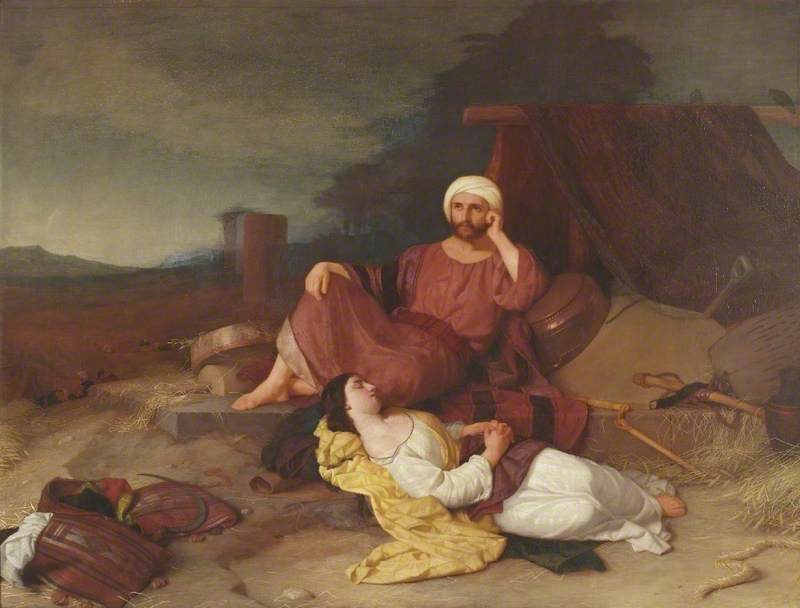

The story of Book of Ruth is one of the most beautiful narratives in the Bible, combining themes of loyalty, redemption, faithfulness, and divine providence. In this account, Boaz becomes the redeemer of Ruth, a Moabite widow who had shown extraordinary loyalty to her mother-in-law, Naomi.
However, according to Israelite law, a closer relative had the first right to redeem the land and marry Ruth. This raises an important question: Why was Boaz willing to redeem Ruth even though someone else had the primary right to do so?
The answer involves legal duty, moral integrity, compassion, and faith in God’s providence. Boaz’s actions demonstrate not only obedience to the law but also remarkable kindness and character.
Understanding the Role of the Kinsman-Redeemer
Before exploring Boaz’s motivations, it is essential to understand the concept of the kinsman-redeemer in ancient Israel.
A kinsman-redeemer (Hebrew: go’el) was a close relative responsible for protecting the rights and property of family members. This responsibility included:
-
Redeeming family land that had been sold due to poverty
-
Marrying a widow to preserve the family line
-
Protecting vulnerable relatives
-
Restoring family inheritance
This law ensured that family land stayed within the clan and that widows were protected.
Because Ruth’s husband had died, a male relative could redeem the property of Naomi’s family and marry Ruth to continue the deceased man’s lineage.
Reasons Boaz Was Willing to Redeem Ruth
1. Boaz Was a Man of Integrity and Obedience
One of the main reasons Boaz stepped forward was his deep respect for God’s law and social responsibility.
Even though he admired Ruth, he did not immediately claim the right to redeem her. Instead, he acknowledged that a closer relative existed who had the first opportunity.
This demonstrates Boaz’s integrity because he:
-
Followed the legal process
-
Gathered witnesses at the city gate
-
Allowed the nearer relative to decide first
His behavior shows that he was not motivated by selfish ambition but by righteousness and fairness.
2. Boaz Admired Ruth’s Character
Boaz had already witnessed Ruth’s remarkable loyalty and faithfulness.
After Naomi returned to Bethlehem, Ruth chose to stay with her instead of returning to her own people. Her famous words expressed her devotion:
“Where you go I will go, and where you stay I will stay.”
This act of commitment impressed Boaz greatly.
Boaz recognized several admirable qualities in Ruth:
-
Loyalty to Naomi
-
Humility and hard work
-
Faith in the God of Israel
-
Moral character and respectability
Because of these virtues, Boaz considered Ruth worthy of honor and protection.
3. Compassion for Naomi and Ruth
Boaz also understood the difficult situation Naomi and Ruth were facing.
Both women were widows without financial security. In ancient society, this made survival extremely difficult.
By redeeming Ruth, Boaz would:
-
Restore Naomi’s family property
-
Provide protection and stability for Ruth
-
Preserve the name of the deceased husband
His willingness to act shows genuine compassion and generosity.
4. The Other Relative Refused the Responsibility
Although a closer relative existed, that man ultimately declined the responsibility.
When Boaz presented the situation publicly, the relative initially agreed to redeem the land. However, Boaz explained that redeeming the land also required marrying Ruth and producing an heir for her deceased husband.
At this point, the relative withdrew because:
-
It could complicate his inheritance
-
It might divide his estate among additional heirs
-
It posed financial risks
As a result, the relative voluntarily transferred the right of redemption to Boaz.
This cleared the way for Boaz to step forward as the redeemer.
5. Boaz Recognized God’s Hand in the Situation
Another important reason Boaz accepted the role was his awareness that God was working through these circumstances.
Ruth had unexpectedly come to glean in Boaz’s fields. Their encounter appeared coincidental but ultimately reflected divine guidance.
Boaz’s faith helped him see the situation as an opportunity to:
-
Honor God’s law
-
Bless a faithful woman
-
Participate in God’s plan
His decision reflects trust that God’s purposes are often revealed through acts of kindness and obedience.
The Legal Process of Redemption
The redemption took place at the city gate, where legal matters were settled.
Boaz gathered:
-
The closer relative
-
Ten elders as witnesses
-
Members of the community
The process included:
-
Presenting Naomi’s land for redemption
-
Informing the relative about Ruth
-
Allowing the relative to accept or refuse
-
Publicly transferring the right to Boaz
The transfer was symbolized by removing a sandal, a customary legal gesture in ancient Israel.
This public process ensured transparency and legitimacy.
The Result of Boaz’s Decision
Boaz’s willingness to redeem Ruth produced far-reaching consequences.
Their marriage resulted in the birth of Obed, who became:
-
The father of Jesse
-
The grandfather of David
This lineage later became significant in biblical history, connecting Ruth’s story to the royal line of Israel.
Thus, Boaz’s act of kindness became part of a larger divine plan.
Lessons from Boaz’s Willingness to Redeem Ruth
The story highlights several timeless principles.
Moral Integrity
Boaz respected the law and handled the situation with honesty and fairness.
Compassion and Responsibility
He cared for vulnerable individuals and fulfilled his duty to family.
Faith and Trust in God
Boaz believed that obedience and kindness align with God’s purposes.
The Value of Character
Ruth’s loyalty and humility inspired Boaz’s respect and protection.
Conclusion
Boaz was willing to redeem Ruth despite the presence of a closer relative because he was a man of integrity, compassion, and faith. He respected the legal order by offering the opportunity to the nearer kinsman, but when that man declined, Boaz stepped forward willingly.
His actions demonstrate that redemption involves more than legal obligation—it requires generosity, courage, and moral commitment. Through his decision, Boaz not only restored Naomi’s family but also played a vital role in a significant lineage in biblical history.
The story reminds readers that acts of kindness and faithfulness can have profound and lasting impact, shaping both personal lives and larger historical narratives.
What role does Boaz play as a kinsman-redeemer, and what does this role reveal about his character?
One Comment
Comments are closed.